Mastering Denim Brushes Texture and Fabric Jeans Back for Digital Art
The evolution of digital illustration has reached a point where the boundary between physical media and pixel-based creation is increasingly blurred. Artists no longer need to rely solely on smooth, vector-like lines or flat colors to convey emotion and depth. Instead, there is a growing demand for tactile realism, where the viewer can almost feel the roughness of canvas or the weave of cloth through their screens. This shift has elevated the importance of specialized tools that mimic organic materials, with Denim Brushes Texture emerging as a vital resource for creators seeking authenticity in their work. By integrating the rugged aesthetic of denim into digital workflows, artists can produce pieces that resonate with a grounded, industrial, or casual vibe that is difficult to achieve with standard brush sets.
Understanding the utility of these tools requires looking beyond simple aesthetics. The inclusion of Fabric Jeans Back elements and specific texture overlays allows for a layer of complexity that mimics the irregularities of real-world textiles. Whether you are designing a greeting card, creating wall art for a modern living space, or developing assets for social media decoration, the ability to replicate the distinct cross-hatch pattern of denim adds immediate visual interest. These textures are not merely decorative; they serve as foundational elements that can dictate the mood of an entire composition. For professionals and hobbyists alike, mastering these brushes means unlocking a new dimension of creative expression within the Procreate ecosystem on iPad.
The Unique Characteristics of Denim Textures in Digital Design
Denim is characterized by its sturdy cotton twill fabric, which creates a distinctive diagonal ribbing pattern. Translating this physical property into a digital format requires more than just a static image overlay. High-quality Denim fabric jeans brushes for Procreate are engineered to respond to pressure, tilt, and speed, much like a real pencil or charcoal stick would interact with a textured surface. This dynamic response ensures that every stroke feels intentional and organic. When an artist applies a denim brush, the resulting mark should exhibit variations in density and color saturation, reflecting the way dye sits unevenly on woven fibers.
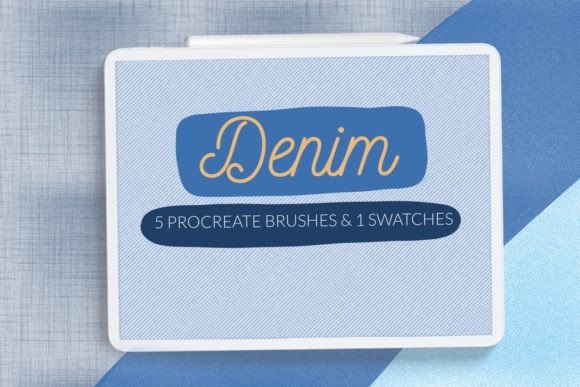
The value of having a dedicated set, such as one that includes five background brushes with denim texture and complementary color swatches, lies in its versatility. These tools allow for both subtle detailing and bold statement pieces. For instance, a light wash denim texture might be used to create a soft, airy background for a portrait, while a dark, distressed jean texture could provide a gritty backdrop for urban-themed typography. The inclusion of color swatches further streamlines the workflow, providing pre-selected hues that match common denim dyes, from indigo to black and faded blue. This eliminates the guesswork involved in color matching and ensures consistency across a project.
Practical Applications for Creators and Businesses
The application of denim textures extends far beyond simple fashion illustrations. For graphic designers and small business owners, these assets offer a quick way to establish brand identity. A coffee shop aiming for a rustic, artisanal feel might use denim textures in their menu design or social media posts to evoke a sense of durability and comfort. Similarly, educators creating materials for textile or fashion design courses can use these digital tools to demonstrate fabric behavior without the need for physical samples. This makes the learning process more accessible and environmentally friendly.
In the realm of personal creativity, the uses are equally diverse. Hobbyists creating digital scrapbooks can use denim backgrounds to frame photos, adding a nostalgic, handmade touch to family memories. Greeting card designers can leverage the texture to create cards that feel warm and personal, standing out in a mailbox full of glossy, mass-produced alternatives. Furthermore, artists producing wall art and posters can utilize the high-resolution capabilities of these brushes to create large-scale prints that maintain their integrity up close. The tactile quality of the denim texture invites viewers to look closer, engaging them with the artwork on a sensory level.
Enhancing Social Media Content with Textural Depth
Social media platforms are saturated with clean, minimalist aesthetics. While this style has its place, there is a counter-trend towards maximalism and texture-rich content that stops the scroll. Using Denim Brushes Texture in Instagram stories, Pinterest pins, or TikTok backgrounds can help content creators differentiate their visual identity. The rugged nature of denim contrasts well with sleek product photography or elegant typography, creating a balanced composition that is visually stimulating. This approach is particularly effective for brands targeting demographics that value authenticity, sustainability, and craftsmanship.
Moreover, the ease of editing digital textures allows for rapid experimentation. A creator can test multiple denim variations—light wash, dark rinse, distressed, or patched—within minutes to see which best complements their message. This agility is crucial in the fast-paced world of social media marketing, where trends change quickly and the ability to adapt visual styles is a significant advantage. By incorporating these textures, creators can maintain a cohesive yet dynamic feed that reflects their unique personality and brand values.
Technical Implementation: Installing and Using Procreate Brushes
To fully leverage the potential of these tools, proper installation is key. The process varies slightly depending on the version of Procreate and the iPad model being used. For users with older iPads or those running Procreate version 4.0 or earlier, the installation method involves a manual import process. Understanding this workflow ensures that even users with legacy hardware can access these advanced textural tools. The following steps outline the procedure for importing .brush and .brushset files effectively.
- Download the Files: Begin by downloading the folder containing the .brush files to a designated location on your iPad. It is advisable to save them in the "Files" app for easy access.
- Locate the Brush File: Open the folder where the download was saved and identify the specific .brush files you wish to install.
- Initiate the Share Menu: Tap and hold the .brush file with your finger or Apple Pencil until a context menu appears. Select "Share" from the options provided.
- Select Procreate: In the share sheet, look for the option "Open in Procreate." If this option is not immediately visible, click on "More" to expand the list of applications.
- Find and Click Procreate: Scroll through the extended list until you find Procreate. Click on it to initiate the import process.
- Access in Project: Once imported, open your desired project in Procreate. Click on the brush icon located at the top right corner of the interface to access your new tools.
Alternatively, for users on newer versions of Procreate, there is a more streamlined method that integrates directly within the app. This method is often preferred for its simplicity and speed. To use this approach, open Procreate and navigate to the brush library. Click on "New Collection" to create a dedicated space for your denim tools, keeping your workspace organized. Then, select the "Import" option. Navigate to the folder containing your downloaded brushes, select the desired files, and they will be automatically added to your new collection in Procreate. This method reduces the number of steps and minimizes the risk of file misplacement.
Maximizing Creative Output with Denim Assets
Once installed, the true power of Denim fabric jeans brushes for Procreate is realized through experimentation. Artists should encourage themselves to layer these textures with other elements. Combining a denim background with hand-lettered quotes, for example, can create a compelling poster design. Using the included color swatches to adjust the hue of the denim can transform a standard blue jean texture into something entirely new, such as a muted gray or a vibrant teal, expanding the palette of possibilities. The key is to view these brushes not as static stamps, but as dynamic tools that interact with the digital canvas.
Furthermore, considering the Fabric Jeans Back aspect, artists can use these textures to simulate the reverse side of denim, which often has a different weave and color intensity. This attention to detail can add a layer of sophistication to fashion illustrations or product mockups. By understanding the nuances of the material, creators can produce work that is not only visually appealing but also technically accurate. This level of detail is what separates amateur designs from professional-grade artwork.
In conclusion, the integration of denim textures into digital art workflows offers a wealth of opportunities for enhancement and innovation. From the practical aspects of installation to the creative possibilities in design and marketing, these tools provide a bridge between the tactile world and the digital realm. Whether you are a seasoned professional or a curious beginner, exploring the capabilities of Denim Brushes Texture can significantly enrich your artistic vocabulary. By embracing these resources, you equip yourself with the means to create work that is not only seen but felt, leaving a lasting impression on your audience.
© Let s Art ♡