Evaluating Expressive Calligraphy Brushes for Digital Art
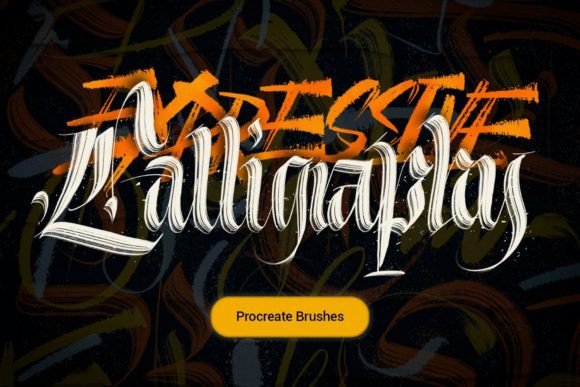
Digital art has evolved significantly, moving beyond simple vector lines to emulate the organic imperfections of traditional media. For artists seeking to bridge the gap between physical ink and pixel-based creation, Expressive Calligraphy Brushes offer a specialized solution. This toolset is designed not merely to draw lines, but to replicate the tactile experience of using ruling pens and flat brushes on textured paper. Understanding the specific composition and intended use of these brushes is essential for determining whether they align with your digital workflow and artistic goals.
Understanding the Toolset Composition
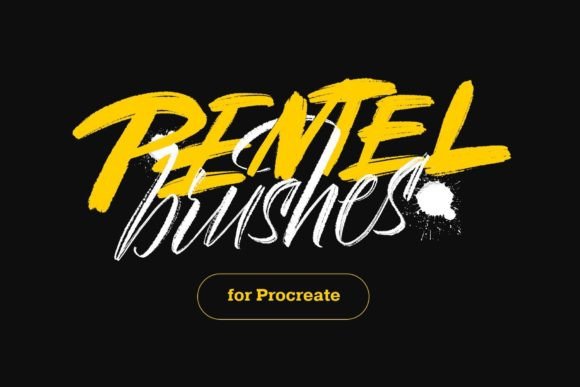
The core value of this pack lies in its diversity and specificity. It includes 14 distinct brushes, categorized into three primary types, each serving a different function in the calligraphic process. First, there are four flat brushes featuring a dirty canvas texture. These are engineered to simulate the friction and grain interaction that occurs when a stiff brush moves across rough paper. Second, the pack includes four flat brushes with splashes. These add an element of controlled chaos, mimicking the occasional ink spatter or bleed that characterizes hand-lettered work. Finally, six brushes imitate the ruling pen, a traditional tool known for its ability to create consistent yet variable line widths based on pressure and angle.
This combination allows for a comprehensive approach to digital lettering. Rather than relying on a single brush type, users can layer textures and effects to build depth. The inclusion of both clean and "dirty" textures acknowledges that realism in digital art often depends on imperfection. By providing tools that replicate specific physical behaviors, such as the splatter of wet ink or the scratch of a nib, the set aims to reduce the sterile feel often associated with digital drawing tablets.
Why Artists Choose Digital Calligraphy Tools
The shift toward digital calligraphy is driven by several practical factors. Traditional calligraphy requires significant material investment, including high-quality paper, various inks, and maintenance of delicate tools. Digital alternatives eliminate these recurring costs and physical constraints. However, many artists hesitate to switch because standard digital brushes feel too uniform. This is where Expressive Calligraphy Brushes become relevant. They address the common complaint that digital lettering lacks soul or character.
Artists interested in this pack are typically looking for efficiency without sacrificing aesthetic quality. The ability to undo mistakes, adjust opacity, and experiment with colors instantly provides a safety net that traditional media cannot offer. Furthermore, the portability of a tablet combined with these specialized brushes allows for practice and creation in any environment, removing the need for a dedicated studio space with proper lighting and ventilation for ink work.
Benefits and Practical Applications
The primary benefit of using these brushes is the acceleration of the learning curve for realistic textures. Achieving a convincing canvas texture or natural ink splash manually can be time-consuming. With pre-configured brushes, these effects are built into the stroke dynamics. This allows the artist to focus on letterform and composition rather than technical post-processing.
- Enhanced Realism: The dirty canvas texture brushes provide immediate visual feedback that mimics traditional paper, helping artists gauge how their strokes will look in print.
- Versatility in Style: The mix of ruling pen imitations and flat brushes supports a wide range of styles, from strict Gothic scripts to loose, modern brush lettering.
- Workflow Efficiency: Having 14 specialized tools in one pack reduces the time spent searching for or creating custom brushes, allowing for a more fluid creative process.
These brushes are particularly strong fits for graphic designers working on branding projects that require a handcrafted feel, illustrators creating book covers, or hobbyists who want to practice lettering without the mess of ink. They are also valuable for educators teaching digital art, as they provide clear examples of how pressure sensitivity and tilt can affect line quality.
Tradeoffs and Considerations
While the benefits are clear, there are tradeoffs to consider. The effectiveness of these brushes is heavily dependent on the hardware used. To fully utilize the ruling pen imitations and pressure-sensitive flat brushes, a graphics tablet with high-pressure sensitivity and tilt recognition is necessary. Users with basic styluses or touch-only devices may find that the brushes do not perform as advertised, resulting in flat, unvarying lines.
Additionally, there is a learning curve associated with mastering digital pressure control. Unlike physical brushes, where resistance is tangible, digital resistance is simulated. Artists accustomed to traditional media may initially struggle with the lack of physical feedback. It requires practice to develop the muscle memory needed to control the digital splashes and texture variations effectively. Over-reliance on the "dirty" textures can also lead to cluttered designs if not balanced with clean negative space.
When to Consider Alternatives
Despite their versatility, Expressive Calligraphy Brushes may not be the ideal choice for every project. If your goal is crisp, scalable vector typography for large-format signage or logo design, vector-based tools in software like Adobe Illustrator are more appropriate. Vector paths ensure infinite scalability without pixelation, a feature that raster-based brush strokes cannot match.
Similarly, artists who prefer a minimalist aesthetic may find the included textures distracting. If your style relies on clean, solid colors and sharp edges, standard round or square brushes with no texture overlays might serve you better. In such cases, the complexity of managing 14 different brush settings could hinder rather than help your workflow.
Making an Informed Decision
To determine if this brush pack aligns with your needs, evaluate your current hardware and artistic objectives. If you own a capable tablet and seek to add organic warmth to your digital lettering, these tools offer a robust starting point. They are particularly useful for those who miss the tactile nature of ruling pens but appreciate the convenience of digital editing.
Consider starting with the ruling pen imitations if you are new to digital calligraphy, as they provide a familiar structure for practicing stroke consistency. Once comfortable, integrate the flat brushes with splashes to add flair to final pieces. Remember that tools are only as good as the skill behind them. While these brushes simplify the creation of texture, they do not replace the need for fundamental understanding of letterforms and spacing.
In conclusion, Expressive Calligraphy Brushes represent a thoughtful compilation of digital tools designed to mimic the nuances of traditional calligraphy. They offer a compelling balance between realism and convenience, making them a valuable asset for digital artists seeking authenticity. However, their success depends on compatible hardware and a willingness to adapt to the unique dynamics of digital pressure sensitivity. By weighing these factors against your specific project requirements, you can decide whether this pack is the right addition to your digital toolkit.