10 Paper Texture Brushes Procreate
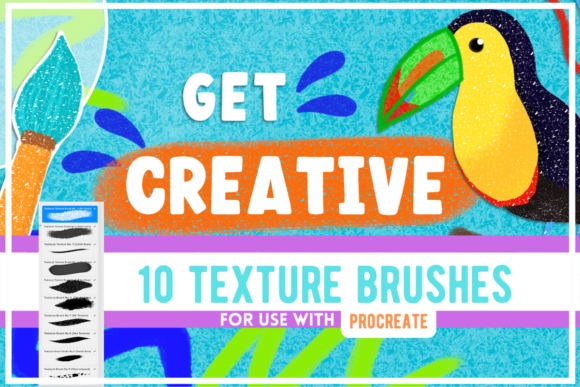
Digital art often suffers from a specific kind of sterility. The glass screen of an iPad is smooth, unforgiving, and perfectly uniform. For many creators, this lack of physical resistance creates a disconnect between the hand and the final image. This is where 10 Paper Texture Brushes Procreate changes the workflow entirely. These tools are not merely decorative overlays; they are functional instruments that reintroduce the tactile grit, grain, and organic imperfection of traditional media into your digital canvas.
When you use these brushes, you are not just painting pixels. You are simulating the experience of dragging charcoal across cold-press watercolor paper or sketching with a fine liner on recycled stock. The result is artwork that feels grounded, authentic, and deeply human. Whether you are a graphic designer looking to add warmth to a client presentation or an illustrator seeking to break free from the "digital look," understanding how to leverage these textures can elevate your work from good to exceptional.
Bridging the Gap Between Digital and Traditional
The primary value of 10 Paper Texture Brushes for Procreate lies in their ability to mimic the behavior of real-world materials. Standard digital brushes often lay down color too evenly. In contrast, these texture brushes interact with the underlying canvas settings to create varied opacity and flow based on pressure and tilt. This variability is crucial for achieving a natural aesthetic.
Consider the difference between a flat vector illustration and a hand-drawn sketch. The latter has life because no two lines are identical. By using these brushes, you introduce controlled chaos. The grain breaks up solid blocks of color, allowing the background to peek through in subtle ways. This technique is particularly effective for artists who want to maintain the convenience of digital editing—such as undo, layers, and color adjustment—while retaining the soul of analog art.
Creative Applications for Diverse Creators
The versatility of these tools means they are not limited to a single style or profession. Here is how different users can adapt 10 Paper Texture Brushes Procreate for their specific goals:
- Illustrators and Concept Artists: Use coarse grain textures for initial thumbnails and ideation. The roughness encourages loose, expressive strokes rather than getting bogged down in details too early. It helps maintain energy in character designs and environment concepts.
- Graphic Designers and Marketers: Incorporate subtle paper textures into social media graphics, posters, or packaging mockups. A textured background adds depth and perceived value, making digital ads feel more tangible and trustworthy to consumers.
- Educators and Coaches: Create engaging worksheet headers, digital planners, or presentation slides. The handwritten, textured look feels approachable and personal, which can help in building rapport with students or clients.
- Hobbyists and Journalers: Enhance digital bullet journals or scrapbooks. Using paper textures allows you to simulate the look of washi tape, torn edges, and aged paper without needing physical supplies.
Techniques for Maximum Impact
To get the most out of your brush set, it is essential to move beyond simply selecting a tool and drawing. Context matters. Here are three practical approaches to integrating these textures effectively.
Layer Blending Modes
One of the most powerful features in Procreate is the blending mode. Instead of painting directly with a texture brush on your main layer, try creating a new layer above your artwork. Fill it with a neutral gray or white, then use a heavy paper texture brush. Change the layer blending mode to Multiply, Overlay, or Soft Light. This applies the texture non-destructively, allowing you to adjust the opacity until the effect is subtle yet noticeable. This method ensures your original line work remains crisp while gaining atmospheric depth.
Texturing Line Art
Clean, vector-like lines can sometimes feel cold. Switch to one of the 10 Paper Texture Brushes for Procreate that mimics a dry pencil or ink pen. Go over your existing clean line art on a new layer. The texture will break up the perfect curves, adding a hand-drawn quality that suggests movement and urgency. This is particularly useful for comic book styles or editorial illustrations where personality is key.
Background Depth
Never leave a background purely white unless necessary. Use a large, soft paper texture brush to lay down a base tone. Choose colors like cream, light beige, or soft gray. This simple step reduces eye strain for viewers and provides a cohesive foundation for the rest of the piece. It makes the foreground elements pop by providing contrast in texture, not just color.
Maintaining Consistency and Clarity
While texture adds interest, overuse can lead to visual clutter. To keep your results clear and professional, adhere to the principle of hierarchy. Decide where the viewer’s eye should go first. If the focal point is a character’s face, keep the textures around that area finer and subtler. Save the heavier, coarser grains for the periphery or background elements.
Consistency is also vital. If you choose a rough, handmade paper aesthetic for your brushwork, ensure your color palette and subject matter align with that vibe. A hyper-realistic portrait might clash with a heavily distressed paper texture unless handled with extreme care. Aim for harmony between your tool choice and your artistic intent.
Expanding Your Creative Horizon
Using 10 Paper Texture Brushes Procreate is an invitation to experiment. Do not be afraid to combine these brushes with other tools. Mix a watercolor wash with a dry charcoal texture. Overlay a clean digital font with a grunge brush to create a custom logo effect. The possibilities are endless when you view texture as a fundamental component of composition rather than an afterthought.
For entrepreneurs and small business owners, this distinct visual style can become part of your brand identity. In a sea of polished, AI-generated perfection, hand-textured digital art stands out. It signals effort, craftsmanship, and attention to detail. Customers respond to authenticity, and these brushes provide a straightforward path to achieving it without requiring years of traditional training.
Ultimately, the goal is to make your iPad feel less like a computer and more like a studio. With the right tools, you can capture the serendipity of traditional media while enjoying the efficiency of digital workflows. Start by testing each of the ten brushes on a blank canvas. Note how they react to different pressures and speeds. Build a library of swatches. Over time, these textures will become an intuitive extension of your creative voice, helping you produce work that is not only visually striking but emotionally resonant.
Remember, technology serves creativity, not the other way around. These brushes are here to remove barriers, allowing you to focus on what matters most: your ideas, your message, and your unique perspective. Embrace the grain, enjoy the process, and let your digital art breathe.