Strategic Visual Communication with Realistic Watercolour Brushes
In the digital landscape, visual authenticity has become a scarce and valuable commodity. As audiences grow increasingly desensitized to polished, algorithmic perfection, there is a distinct strategic advantage in adopting aesthetics that feel human, tactile, and organic. This is where Realistic Watercolour Brushes transition from being mere digital tools to essential assets for brand differentiation. For entrepreneurs, marketers, and creators, the decision to integrate these assets into your workflow is not just an artistic choice; it is a communication strategy.
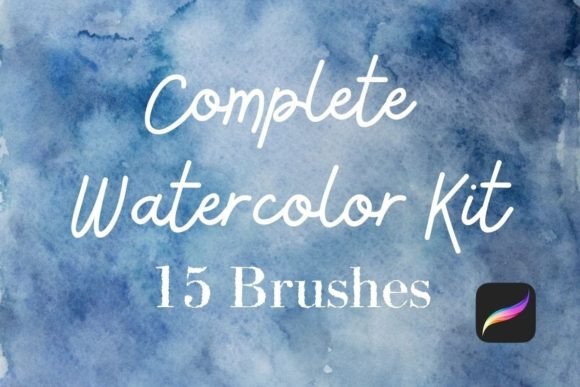
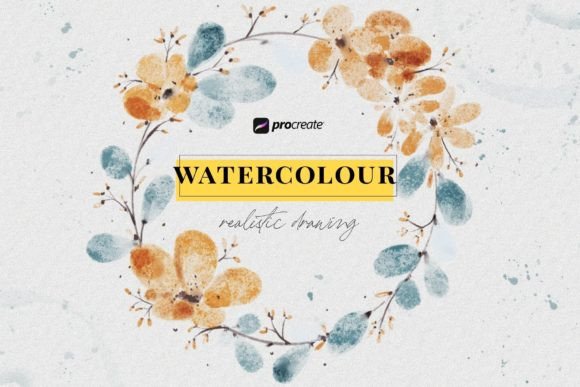
This comprehensive pack contains everything you need to imitate realistic watercolor painting brushes, pencils, pens, and various paper textures. By providing 41 watercolor brushes, 24 texture brushes, and 18 pencils and pens, it offers a complete ecosystem for digital artists who need to bridge the gap between traditional media and modern efficiency. However, the true value lies not in the quantity of tools, but in how intentionally they are applied to support broader business and creative goals.
Aligning Aesthetic Tools with Brand Positioning
Before downloading or purchasing any digital asset, it is crucial to ask: What signal does this send to my audience? Watercolor aesthetics convey softness, approachability, craftsmanship, and elegance. If your brand positioning relies on precision, industrial strength, or high-tech innovation, these tools may create cognitive dissonance. However, for industries such as wedding planning, boutique hospitality, wellness coaching, and artisanal retail, the organic nature of watercolor can significantly enhance customer experience and trust.
Consider the use case of wedding invitations and calligraphy. In this sector, the perceived value of the product is heavily tied to its emotional resonance. Using Realistic Watercolour Brushes to complement calligraphy allows designers to create unique, hand-painted elements without the logistical overhead of physical materials. You can mix colors digitally, test variations instantly, and ensure consistency across hundreds of invites. This operational efficiency does not sacrifice quality; instead, it elevates it by allowing for meticulous refinement that physical media might not permit under tight deadlines.
Enhancing Productivity Through Digital Texture
One of the most significant barriers to adopting traditional media in professional workflows is unpredictability. Physical watercolor requires time to dry, specific lighting conditions, and expensive materials that can be wasted during experimentation. The included 24 brushes to create paper texture and 41 watercolor brushes eliminate these variables while retaining the visual charm.
For freelancers and small business owners, time is a non-renewable resource. By utilizing pre-configured digital brushes that mimic the bleed, granulation, and transparency of real paint, you can reduce production time by up to fifty percent. This efficiency gain allows you to allocate more resources to client communication, strategic planning, or additional project iterations. The small instruction guide included in the pack serves as a quick onboarding tool, ensuring that even those with limited traditional painting experience can achieve professional results rapidly.
Practical Applications Beyond Illustration
While often associated with fine art, these tools have versatile applications in corporate and educational contexts:
- Educational Materials: Educators and publishers can use the 18 pencils and pens to create engaging, hand-drawn diagrams that feel less sterile than vector graphics, improving student engagement and retention.
- Content Marketing: Bloggers and marketers can use splashes and abstract stains to break up text-heavy articles, guiding the reader’s eye and adding visual interest without distracting from the core message.
- Presentation Design: Consultants can use subtle paper textures as background layers in slide decks to add depth and sophistication, distinguishing their proposals from standard template-based competitors.
Risks of Unintentional Usage
Despite their utility, there are risks associated with using Realistic Watercolour Brushes without a clear strategic framework. The primary danger is aesthetic clutter. Watercolor is inherently fluid and unpredictable. Without disciplined composition, designs can appear messy or unprofessional rather than artistic. This is particularly relevant for decision-makers who may delegate design tasks to team members lacking a strong eye for balance.
Another risk is over-reliance on effects. If every element in a campaign features heavy watercolor textures, the impact diminishes. The "hand-made" look loses its novelty and becomes noise. To mitigate this, use these tools sparingly as accents rather than foundations. Let the white space breathe. Use the splashes and borders to frame key information, not to obscure it. Strategic restraint ensures that the watercolor elements serve the content, rather than overpowering it.
Decision-Making Framework for Implementation
When considering whether to integrate this pack into your workflow, evaluate your current needs against the following criteria:
- Brand Consistency: Does the organic, fluid nature of watercolor align with your existing brand guidelines? If your brand uses sharp, geometric lines, introducing watercolor may require a broader visual identity update to avoid fragmentation.
- Target Audience Expectations: Are your customers looking for warmth and personalization? If so, the ability to create realistic watercolor stain borders and abstractions can enhance emotional connection. If they prioritize speed and data, stick to cleaner, minimalistic visuals.
- Technical Capability: While the pack includes instructions, achieving truly realistic results requires an understanding of layer blending modes and opacity settings. Ensure your team has the basic digital literacy to leverage these tools effectively.
Long-Term Value and Scalability
Investing in high-quality digital assets like Realistic Watercolour Brushes offers long-term scalability. Unlike physical supplies that deplete, digital brushes can be used indefinitely across unlimited projects. This makes them cost-effective for growing businesses. Furthermore, the versatility of the pack—covering brushes, pencils, pens, and textures—means it can adapt as your business evolves. You might start by using them for social media graphics and later expand to packaging design or printed collateral.
The ability to mix colors digitally also supports brand consistency. You can save custom color mixes that match your brand palette exactly, ensuring that every watercolor element reinforces your brand identity. This level of control is difficult to achieve with physical paints, where batch variations and drying shifts can alter hues unexpectedly.
Conclusion: Intentionality Drives Results
Ultimately, the effectiveness of Realistic Watercolour Brushes depends on the intentionality behind their use. They are not a magic solution for poor design, but they are powerful enablers for those who understand the strategic role of aesthetics in communication. By combining the efficiency of digital tools with the emotional resonance of traditional media, you can create visuals that stand out in a crowded marketplace.
Whether you are designing wedding invitations, crafting educational content, or building a brand identity, approach these tools with a plan. Define your goals, understand your audience, and use the textures and brushes to enhance your message, not just decorate it. In doing so, you transform a simple set of digital assets into a strategic advantage that drives better engagement, stronger branding, and more meaningful connections with your audience.